

Along the banks of the Charente River, Dutch traders ferrying salt and wine begin distilling surplus vintages into “burnt wine” (brandewijn). As it rests in oak casks on long voyages, the spirit develops depth, marking the earliest recorded distillation of what would become Cognac brandy.
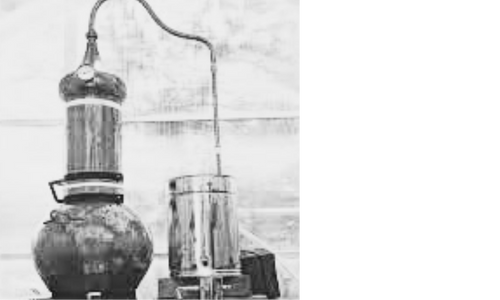
Chevalier de la Croix-Maron pioneers double distillation, refining the spirit into something smoother and more elegant. His innovation lays the foundation for the methods still used today.

The first South African wine is crafted from vines planted just four years earlier in 1655.
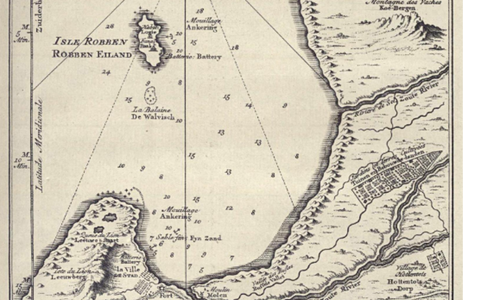
Aboard the ship De Pijl, anchored in Table Bay, cooper Pieter Visser distils wine made from local grapes, the first recorded South African brandy.

The term “Conyack Brandy” first appears in the London Gazette. Over time “Cognac” becomes legally protected by France, while South Africa embraces the broader term “brandy” and begins shaping it into today’s distinct potstill brandy.

Distillation is restricted to curb overconsumption, but secret stills flourish as farmers produce harsh, unaged “Cape Smoke” brandy. Meanwhile, quantity rules over quality and progress in viticulture stalls.
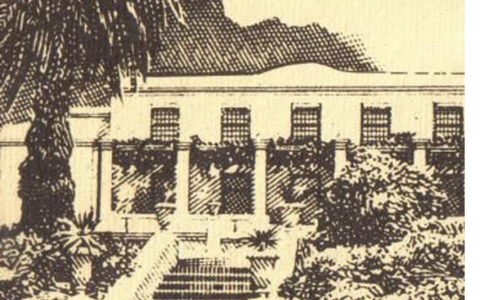
At the Leeuwenhof Estate in Oranjezicht, Cape Town, 577 litres of brandy are produced, an early glimpse of the significant role brandy production would come to play.

Founded in 1834, Joseph Barry & Nephews distillery earns acclaim for crafting the “best spirit of wine” at the Paarl Agricultural Show.
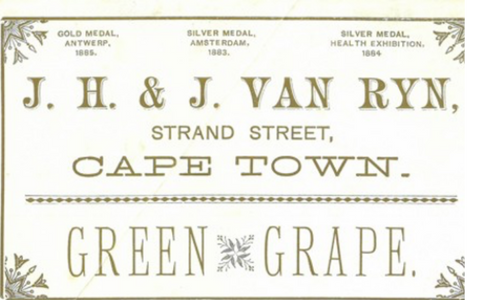
Jan van Ryn and his sons found J.H. and J. van Ryn, laying the foundation for the Van Ryn’s brandy legacy. Soon, they lead the Cape liquor industry, pioneering French copper pot stills and setting new quality standards in distillation.

An early milestone in brandy export: Boplaas dispatches casks of potstill brandy to Cape Town harbour, bound for England.
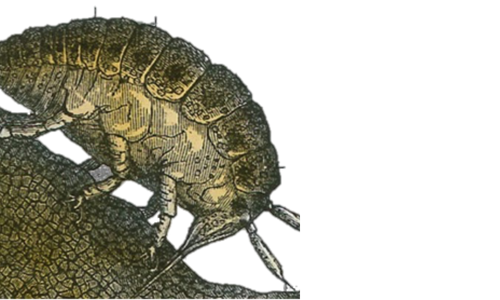
Phylloxera, the world’s most destructive vine pest, arrives in South Africa. In response, farmers adopt the use of resistant American rootstocks, still the best defence today and crucial for brandy’s future.

Copper stills gradually replace rudimentary ones, leading farmers to distil with greater precision. This surge in brandy quality sparks the rise of commercial production.

South Africa produces roughly 5.7 million litres of brandy, fuelled by a local demand even as exports wane.
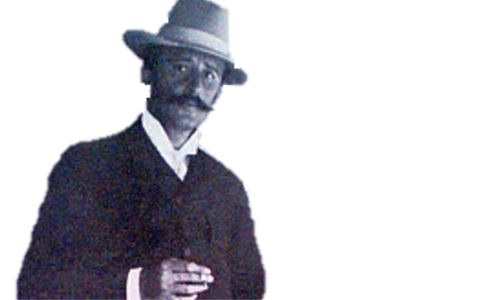
René Santhagens brings the Charentais still and the craft of double distillation from France to South Africa. In 1909, he establishes Oude Molen in Stellenbosch and, by 1910, unveils a premium potstill brandy that sets a new standard for local production.

The Van Ryn Distillery is established in Stellenbosch, featuring South Africa’s first dedicated cooperage for brandy maturation, where handcrafted barrels become a cornerstone of quality aging.
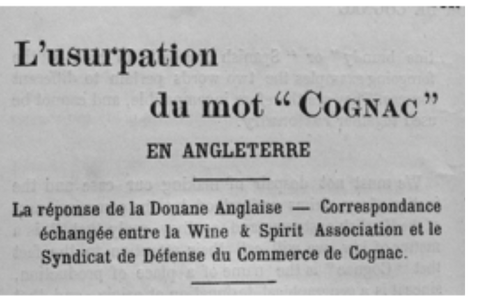
The French government grants Cognac official Geographical Indication (GI) status. From this point, only spirits produced in the Cognac region under strict regulations may carry the name.
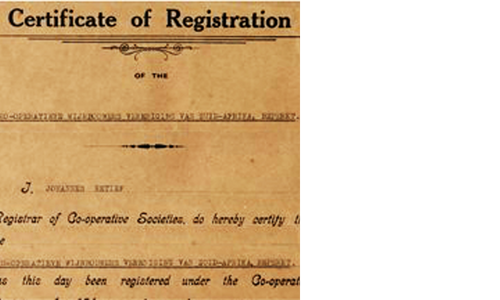
In the wake of global turmoil, the Koöperatieve Wijnbouwers Vereniging van Zuid-Afrika (KWV) is established to stabilise and uplift the wine and brandy industry.

A landmark moment as the Wine and Spirits Act sets a new benchmark for South African brandy, requiring double distillation in copper pot stills and a minimum of three years’ maturation in oak, exceeding Cognac’s two-year standard.
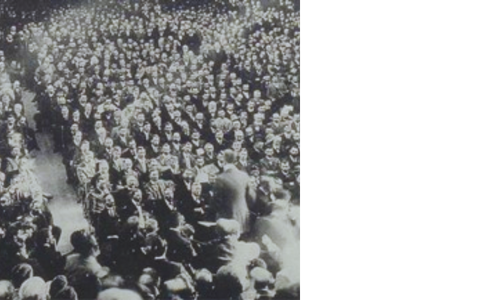
Through the 1924 Wine and Spirits Control Act, the KWV assumes regulatory control of all wine and brandy production in South Africa.
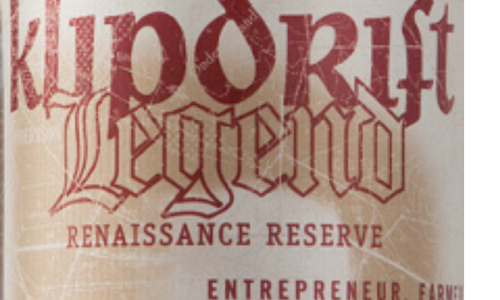
Klipdrift brandy originates from a precise moment: 8:02PM, when J.P. Marais initiates the first distillation.

Barrydale Cellar is established in the Tradouw Valley of the Klein Karoo, home to the production of the renowned Joseph Barry potstill brandy.

A formal classification system arrives, clearly defining potstill, blended and vintage brandy styles, ensuring the integrity of Potstill Brandy moving forward.
KWV 10-Year-Old claims the International Wine & Spirit Competition Worldwide Brandy Trophy, catapulting South African potstill brandy onto the global stage as a respected, high-quality spirit.
The South African Brandy Foundation is launched to champion quality, support producers, and elevate the status of Potstill Brandy worldwide.
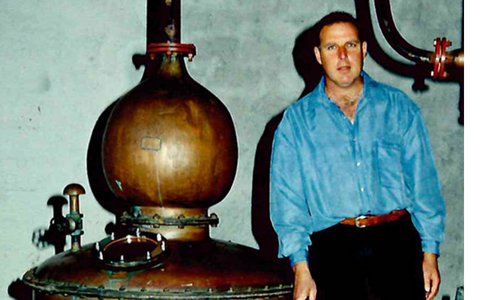
The ban on estate distilling is lifted. Boplaas becomes the first producer in decades to secure a distillation licence, ushering in a new era of decentralised brandy production.

Updated regulations raise the bar, potstill brandy must contain at least 90% copper-distilled spirit, with an alcohol content set at 38% ABV.

Boplaas 5-Year-Old Potstill Brandy is served at President Nelson Mandela’s inauguration, a proud moment of cultural and national recognition.

The South African Brandy Foundation introduces tasting workshops and educational campaigns to differentiate and elevate potstill brandy’s public profile.
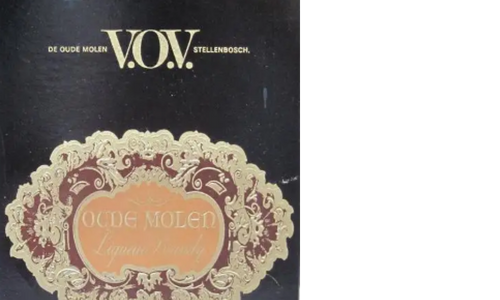
Oude Molen VOV earns the International Wine & Spirit Competition Worldwide Brandy Trophy.

South African Potstill Brandy claims top honours at the International Wine & Spirit Competition, outperforming renowned premium Cognacs.

KWV’s 10-Year-Old potstill brandy wins gold at the International Spirits Challenge, taking the trophy and earning the title of South African Brandy Category Champion.

The South African Brandy Foundation rolls out a formal training programme, equipping over 600 hospitality professionals with specialised knowledge and deepening appreciation for potstill brandy.
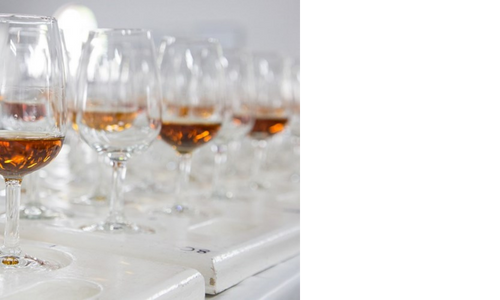
Producers like Boplaas, Oude Molen and Barrydale Distillery rekindle traditional techniques, celebrate terroir expression, and drive fresh innovation in South African brandy.

The Veritas Wine Awards introduce a dedicated brandy category, marking the inaugural inclusion of brandies in the competition line-up.

Platter’s South African Wine Guide judges brandy for the first time. New legislation requires 100% potstill distillate in potstill brandy and at least 30% potstill content with eight years of ageing in vintage brandy.

A 25% rise in the volume of base wine distilled for brandy reflects growing local demand.

The Trophy Spirits Show, presented by Investec, launches, providing an influential platform for South African potstill brandy to be judged alongside top local and international spirits.

Van Ryn’s Potstill Brandies continue their award-winning streak, earning top honours at the World Drinks Awards and the International Spirits Challenge.
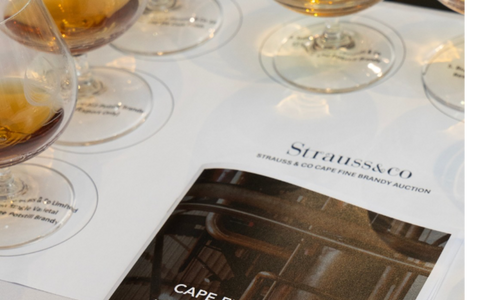
In a historic first, the South African Brandy Foundation teams up with Strauss & Co for the Cape Fine Brandy Auction, showcasing rare single-cask potstill releases as collectible, investment-worthy spirits.

The South African Brandy Foundation launches the SA Brandy experience.


